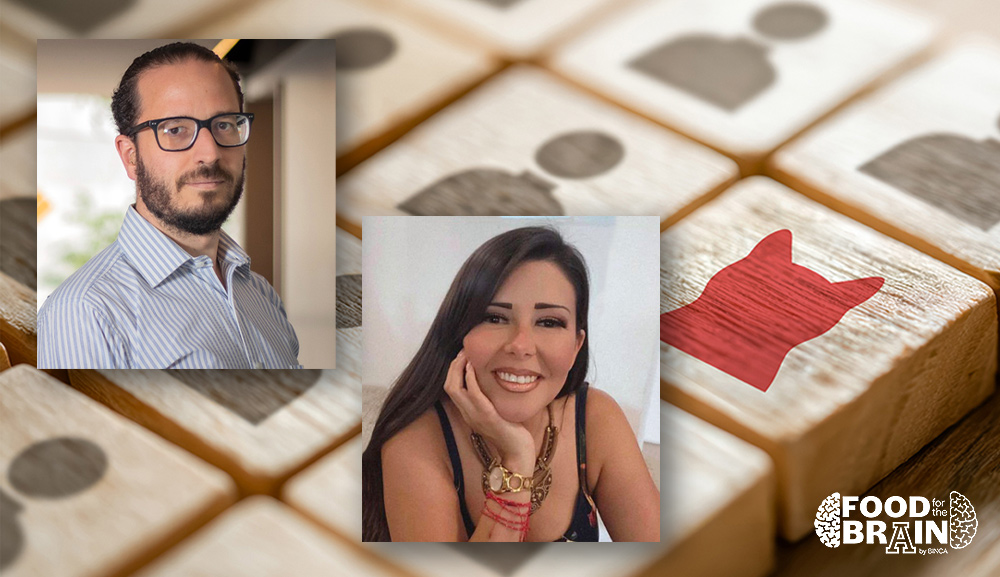
Dr. De Santiago and Dr. Padilla analyzed the therian phenomenon from neurosciences, psychology and the humanities, highlighting its identity and social implications. The session highlighted the importance of a critical approach that avoids stigmatization and promotes informed understanding.
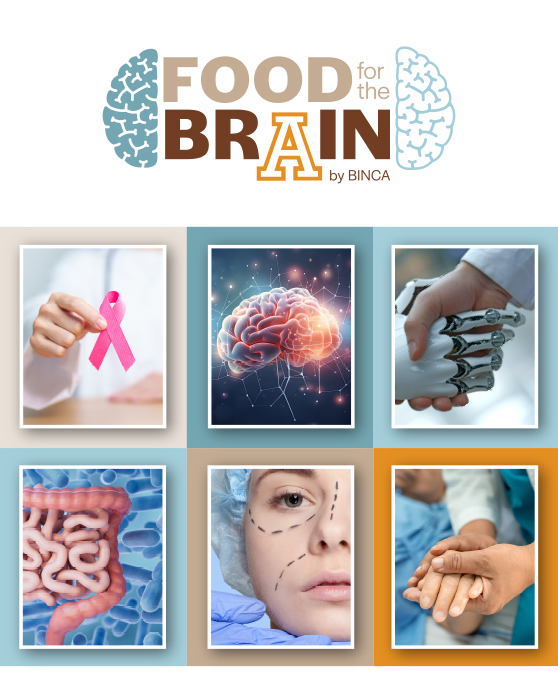
On March 17, a new session of the Food for the Brain series took place, an academic space designed to reflect on contemporary phenomena through an interdisciplinary lens that brings together neuroscience, the humanities, and bioethics.
On this occasion, the session addressed the phenomenon of therian identity and its growing media visibility, exploring its psychological, social, and cultural implications.
The discussion was guided by two invited specialists. On the one hand, Dr. Nancy Ivette De Santiago Treviño, who holds a PhD in Biological and Health Sciences from UAM, is trained as a psychotherapist specializing in sleep disorders and has extensive clinical and teaching experience in mental health.
On the other hand, Dr. Juan Carlos Padilla Monroy participated as a professor at the Institute of Humanities at Universidad Panamericana and academic coordinator at the School of Communication at Universidad Anáhuac México. He is also the author of The Edges of Time, a work focused on reflecting upon social acceleration.
During the session, central themes were analyzed, including the relationship between human beings and their animality, identity construction in contemporary contexts, and the impact of the therian phenomenon as a minority movement with a strong digital presence. Psychological aspects related to neurodivergence were also discussed, as well as the importance of distinguishing between narrative or symbolic identity and clinical diagnoses to avoid stigmatization or conceptual confusion.
Additionally, the speakers highlighted both risk and protective factors associated with these identity processes. Among the positive elements, they emphasized the sense of belonging, personal agency, and social support that some communities may foster. In contrast, they warned of risks such as moral panic, media misinformation, and the echo-chamber effects of social networks, which can amplify extreme or oversimplified perceptions of the phenomenon.
Finally, the importance of promoting a broader social commitment was underscored, including the development of responsible research agendas within neuroscience and the social sciences, such as population-based studies and the tracking of developmental trajectories. The promotion of media literacy and cultural humility was also identified as a key tool for the ethical engagement with these topics.
Through this session, Food for the Brain reaffirmed its commitment to fostering spaces for critical and academic dialogue on emerging phenomena that shape contemporary understandings of the brain, identity, and society.
BINCA
More information:
Bioética Clínica y Neuroética Anáhuac (BINCA)
Dra. María Fernanda Martínez Palomo
neuroetica@anahuac.mx