
Dr. Mari Mar Álvarez Sánchez and Dr. Fernando Pérez Galaz, addressed obesity as a complex healthcare challenge requiring comprehensive, interdisciplinary, and patient-centered care.
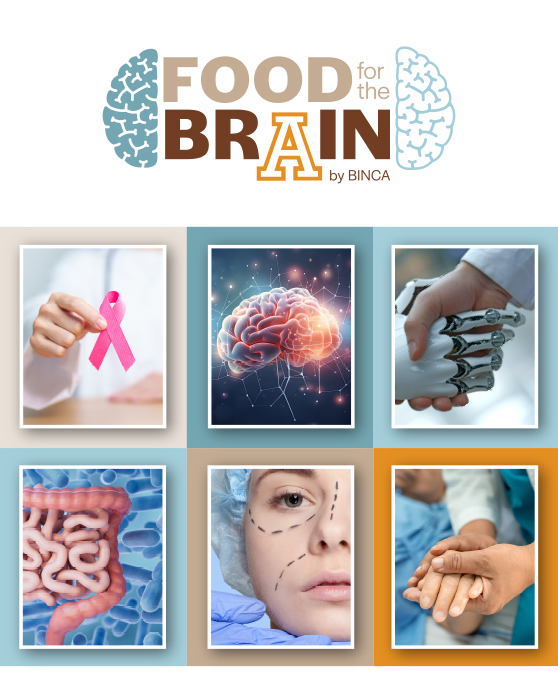
In a new edition of Food for the Brain, Clinical Bioethics and Neuroethics Anáhuac (BINCA) welcomed Dr. Mari Mar Álvarez Sánchez and Dr. Fernando Pérez Galaz, who addressed obesity as a complex healthcare challenge requiring comprehensive, interdisciplinary, and patient-centered care. Entitled “Obesity as a Shared Challenge: The Bariatric and Plastic Surgery Team,” the session provided an opportunity to reflect on the importance of collaboration across medical specialties, the physical and psychological implications of treatment, and the bioethical dilemmas surrounding patient autonomy, expectations, and professional responsibility.
Obesity represents one of the most complex challenges in contemporary medicine. Its management cannot be limited solely to body weight or the intervention of a single medical specialty, as it encompasses metabolic, physical, psychological, and social dimensions that directly influence the health and quality of life of individuals living with this condition.
The session's central theme raised a fundamental question: What does it mean to provide truly comprehensive care for a person living with obesity? From a bioethical perspective, addressing this question requires recognizing that treatment extends beyond achieving specific clinical parameters and must also consider each patient's individual needs, expectations, circumstances, and preferences.
A central aspect of this approach is the importance of interdisciplinary collaboration between bariatric and plastic surgery. Both specialties may contribute at different stages of the therapeutic process, pursuing distinct yet complementary objectives. While bariatric surgery aims to treat obesity and its associated complications, certain plastic surgical procedures may address physical and functional sequelae resulting from substantial weight loss.
This relationship highlights that the outcomes of a surgical intervention do not necessarily mark the conclusion of the continuum of care. Physical changes following bariatric surgery may give rise to additional physical and emotional needs, as well as challenges related to body image and self-perception.
From a bioethical standpoint, this clinical scenario raises important questions concerning patient autonomy and informed consent. The decision to undergo a surgical procedure requires a thorough understanding of its potential benefits, risks, limitations, and long-term consequences. Equally important is acknowledging the personal expectations associated with these decisions, particularly when body image, self-esteem, and perceived well-being are involved.
Another relevant consideration is the need to avoid a reductionist understanding of obesity. Attributing the condition exclusively to individual choices may overlook the influence of biological, social, economic, and environmental determinants. Ethical healthcare practice requires acknowledging this complexity while actively avoiding prejudice, weight-related stigma, and discriminatory attitudes that may compromise patients' dignity.
Within this context, the physician–patient relationship plays a fundamental role. Clear communication, continuous support throughout the different stages of treatment, and the establishment of realistic expectations are essential to promoting shared decision-making. The responsibility of the healthcare team extends beyond presenting therapeutic options; it also involves helping patients understand anticipated outcomes and how these align with their personal goals and quality of life.
Accordingly, therapeutic success should not be assessed exclusively based on anatomical or metabolic outcomes, but also through a comprehensive evaluation of the patient's overall well-being.
This edition of Food for the Brain broadened the discussion surrounding obesity, emphasizing that its management represents a shared responsibility among healthcare professionals, patients, and healthcare systems. Integrating diverse clinical and bioethical perspectives contributes to a more humane understanding of the therapeutic process, ensuring that clinical decisions remain responsive to the individual needs of each patient.

Through initiatives such as this, BINCA continues to foster interdisciplinary dialogue and critical reflection on the ethical challenges of contemporary medicine. Understanding obesity as a shared challenge means recognizing that, beyond surgical techniques and clinical outcomes, there is an individual whose dignity, autonomy, and well-being must remain at the center of every healthcare decision.
BINCA
More information:
Clinical Bioethics and Neuroethics Anáhuac (BINCA)
Dra. María Fernanda Martínez Palomo
neuroetica@anahuac.mx